A Complete Blood Count test commonly known as a CBC test is one of the most essential blood tests used in modern healthcare. It provides a detailed overview of blood health and helps identify a wide range of conditions at an early stage. For individuals and businesses involved in blood test booking services, the CBC test is a cornerstone diagnostic tool that supports prevention, monitoring, and informed medical decisions.
This blog explains what CBC means, who needs it, why it is necessary, what it evaluates, and how understanding results can improve both personal and organizational health outcomes.
What Does a Complete Blood Count Test Mean
A Complete Blood Count test measures the main components of blood. It evaluates red blood cells, white blood cells, and platelets. Each component plays a critical role in maintaining overall health.
Red blood cells carry oxygen from the lungs to the rest of the body. White blood cells support the immune system by fighting infections. Platelets help with blood clotting and prevent excessive bleeding.
Because blood circulates through every organ, changes in these values often reflect underlying health issues. This makes the CBC test a mandatory first level investigation in many medical assessments.
Who This Blood Test Is For
The CBC test is suitable for people of all ages and health backgrounds. It is not limited to individuals who are already ill.
Healthy adults use this test as part of routine health screening. It helps establish baseline values for red blood cell count, white blood cell levels, and platelet count.
Individuals with chronic conditions such as type 2 diabetes benefit from regular CBC testing because long term metabolic stress can affect blood composition and immune response.
People experiencing unexplained fatigue, weakness, infections, or weight changes often require a CBC test to identify potential blood related causes.
From a business perspective, CBC testing supports employee wellness programs, pre employment screenings, insurance assessments, and occupational health compliance. Employers benefit from early detection and reduced long term health risks within their workforce.
Why the CBC Test Is Necessary and Mandatory
The CBC test is necessary because many serious conditions develop without clear symptoms. Changes in white blood cell count or red blood cell count often appear before a person feels unwell.
Healthcare providers rely on CBC results to guide further testing and treatment decisions. Without this data, diagnosis becomes incomplete and delayed.
In occupational and corporate health settings, CBC testing is often mandatory to ensure employees are fit for duty. Certain roles require proof of stable blood health to meet safety and regulatory standards.
Insurance providers and wellness programs also depend on CBC results to assess health risks accurately. This makes the test essential for both medical and administrative decision making.
What the CBC Test Evaluates
A Complete Blood Count test evaluates several key parameters that together provide a clear picture of blood health.
White Blood Cells and White Blood Cell Levels
White blood cells are central to immune defense. The test measures total white blood cell count and evaluates white blood cell levels to identify infection, inflammation, or immune disorders.
A normal white blood cell count suggests balanced immune activity. When white blood cell count high or white cell count high appears in results, it may indicate infection, stress, inflammation, or certain medical conditions.
Monitoring white blood cell levels over time helps identify trends rather than relying on a single result.
Red Blood Cells and Red Blood Cell Count
Red blood cells transport oxygen throughout the body. The CBC test measures total red blood cell count and assesses their size and concentration.
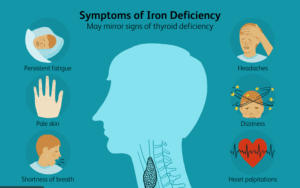
Symptoms of low red blood cells often include fatigue, dizziness, shortness of breath, and pale skin. A low count commonly indicates anemia or nutritional deficiencies.
A red blood cell count high may suggest dehydration, smoking related changes, or certain bone marrow conditions. Understanding these values helps clinicians determine the underlying cause.
Platelet Count
Platelets play a vital role in blood clotting. A normal platelet count supports wound healing and prevents excessive bleeding.
Low platelet levels increase bleeding risk, while a high platelet count may raise the risk of clot formation. The CBC test identifies these imbalances early.
Blood Types and CBC Context
While blood types are determined through separate testing, CBC results often support blood related assessments. Knowing blood types alongside CBC values is important in transfusion planning, surgery preparation, and emergency care.
Benefits of the Complete Blood Count Test
The CBC test offers multiple benefits for individuals and organizations.
Early detection is the primary advantage. Identifying abnormal white blood cell levels or red blood cell count changes early allows timely intervention.
The test supports preventive healthcare by detecting risks before symptoms escalate. This reduces treatment complexity and long term costs.
For individuals with conditions such as type 2 diabetes, regular CBC testing helps monitor immune health and inflammation.
Businesses benefit from healthier employees, fewer sick days, and improved productivity. CBC testing also supports compliance with occupational health requirements.
Symptoms That Indicate a CBC Test Is Needed
Although routine testing is recommended, certain symptoms strongly indicate the need for a CBC test.
Persistent fatigue and weakness often relate to low red blood cells. Frequent infections may reflect abnormal white blood cell levels.
Unexplained bruising or prolonged bleeding can indicate platelet count issues. Dizziness and shortness of breath may point to reduced oxygen carrying capacity.
When these symptoms appear, a CBC test provides clarity and direction rather than assumptions.
Check out our CBC Test
Understanding CBC Test Results
Understanding CBC results helps individuals and employers take informed action.
Results are compared against reference ranges that define expected healthy values. A normal white blood cell count generally indicates stable immune function.
Abnormal values require context. A white blood cell count high does not always mean serious illness. Temporary infections or stress can influence results.
Trends over time matter more than single readings. Regular testing allows healthcare providers to track improvements or deterioration accurately.
Professional interpretation is essential because age, lifestyle, hydration status, and medical history all influence results.
Why Blood Test Booking Matters for CBC Testing
Accessible blood test booking services remove barriers to preventive care. When booking is simple, people are more likely to test regularly.
Professional booking ensures accurate sample collection, secure handling, and reliable reporting. This improves trust and compliance.
For businesses, structured CBC testing programs support workforce health monitoring and data driven wellness strategies.
Efficient booking saves time, reduces disruption, and encourages long term health engagement.
Who Benefits the Most from CBC Blood Test Booking Services
Individuals benefit from convenience, early detection, and peace of mind. Busy professionals and older adults find booking services especially valuable.
Healthcare providers benefit from standardized testing processes and consistent data quality.
Businesses benefit from improved employee wellbeing, reduced absenteeism, and lower long term health costs.
Insurance and corporate wellness programs benefit from accurate risk assessment and proactive intervention.
Complete Blood Count as a Long Term Health Strategy
The CBC test should be part of an ongoing health strategy rather than a one time check.
Regular testing establishes personal and organizational baselines. These baselines help detect subtle changes early.
For individuals, this supports personalized healthcare decisions. For businesses, it supports sustainable workforce health and performance.
Frequently Asked Questions
How often should a Complete Blood Count test be done
Most adults benefit from a CBC test once every 12 months. Individuals with medical conditions may require testing every 3 to 6 months based on medical advice.
Can a CBC test detect type 2 diabetes
A CBC test does not diagnose type 2 diabetes directly, but it helps identify inflammation, infection, and anemia that often coexist with metabolic conditions.
What causes white blood cell count high
Infections, inflammation, stress, smoking, and certain medications can cause white blood cell count high results.
What are the symptoms of low red blood cells
Common symptoms include fatigue, weakness, dizziness, shortness of breath, and pale skin.
Is a CBC test safe
Yes. It is a routine and safe blood test when performed by trained professionals using sterile equipment.
Can businesses arrange CBC tests for employees
Yes. Blood test booking services support corporate health programs, pre employment screening, and ongoing monitoring.