
Template 1

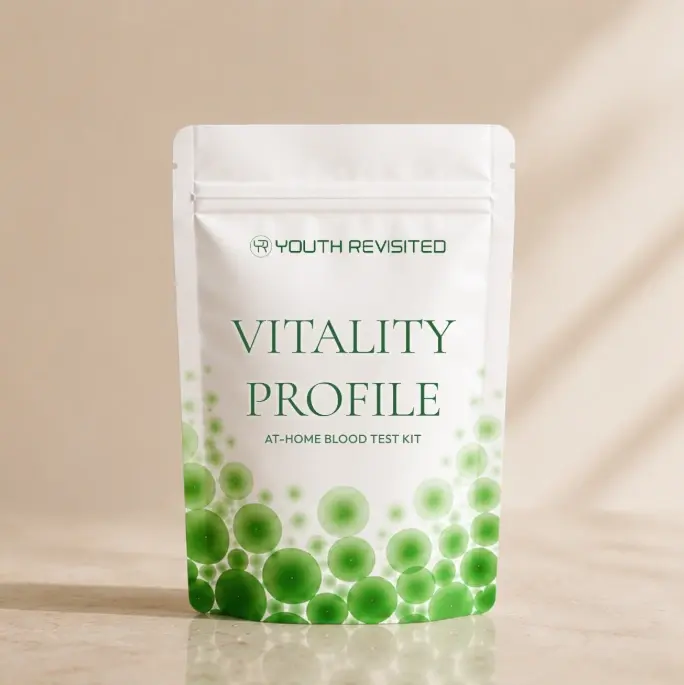
Vitality Blood Test overview

The Vitality Blood Test offers a complete and essential health assessment that shows how well your body is functioning from the inside. Your energy, immunity, and overall strength depend on the balance of key nutrients and markers within your blood. When these markers move outside the recommended range, you may begin to notice symptoms that affect sleep, mood, focus, and performance in daily life.

The Vitality Blood Test evaluates important nutrients and health indicators such as Vitamin B12, Vitamin D3, Iron, and cholesterol levels. With this detailed information, you can move away from guesswork and take direct action to support your long term wellness. It gives you a clear starting point for meaningful lifestyle changes guided by real data rather than assumptions.

What the Vitality Blood Test measures

This test focuses on markers that influence energy levels, immunity, bone strength, and cardiovascular health. By assessing Vitamin B12, Vitamin D3, Iron, and cholesterol levels together, the Vitality Blood Test builds a joined up picture of how your body is coping with your current habits. Each marker tells part of your health story and together they highlight where support is needed.

When you understand these results, you can adjust nutrition, activity, and self care in a targeted way. Instead of treating tiredness or low mood as random, you see whether nutrient levels or cholesterol balance may be contributing to how you feel.

Vitamin B12 and energy support

Vitamin B12 plays a central role in energy production, nerve function, and red blood cell formation. Your body uses Vitamin B12 to convert food into usable energy and to keep your nervous system working smoothly.

Low Vitamin B12 levels can lead to fatigue, weakness, poor concentration, or mood changes such as irritability or low motivation. Some people also notice tingling in hands or feet. By checking Vitamin B12 with the Vitality Blood Test, you can see whether a lack of this nutrient is linked to tiredness or brain fog and take steps to correct it.

Vitamin D3 and immune strength

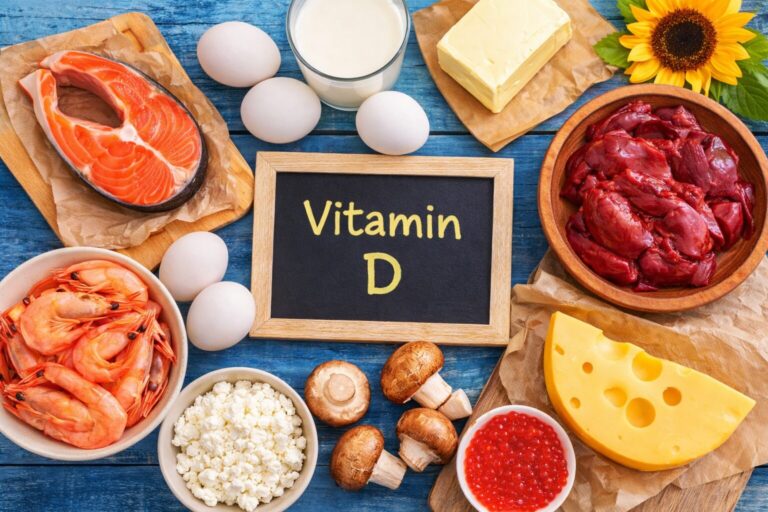
Vitamin D3 supports bone health, immune strength, muscle function, and overall vitality. Many people experience low Vitamin D3 due to limited sunlight exposure, indoor lifestyles, or living in areas with less direct sunlight. Over time this can affect mood, immunity, and bone comfort.

When Vitamin D3 levels are low, you may be more prone to infections, feel low in energy, or experience aches in muscles and joints. Regular testing through the Vitality Blood Test makes it easier to monitor Vitamin D3 levels and decide whether you need more sunlight, dietary changes, or supplements under professional guidance.

Iron and oxygen delivery

Iron is another crucial nutrient measured by the Vitality Blood Test. Your body uses Iron to transport oxygen throughout your bloodstream, helping your organs and muscles perform efficiently. Iron supports stamina, mental clarity, and physical performance.

When Iron levels fall too low, you may experience dizziness, heavy fatigue, or pale skin. Some people notice shortness of breath when climbing stairs or exercising. By checking Iron levels, you can find out whether low Iron is contributing to your symptoms and work with a healthcare professional on diet or treatment options.

Cholesterol markers and heart health

The Vitality Blood Test also examines cholesterol markers, giving you a deeper understanding of your cardiovascular health. By measuring total cholesterol, LDL sometimes known as bad cholesterol, HDL sometimes known as good cholesterol, and triglycerides, you gain insight into how well your body manages fats.

High cholesterol levels may increase the risk of heart related concerns, while low HDL can reduce natural protection against cardiovascular issues. Understanding these markers early allows you to make informed changes to diet, exercise, and lifestyle before problems develop. It also helps you track the impact of any changes you make over time.

Who This Vitality Blood Test is for

The Vitality Blood Test is suitable for anyone who wants a clearer understanding of their essential health status. It is especially helpful if you struggle with ongoing fatigue, muscle or bone discomfort, low mood, or concerns related to heart wellness.

If you want to know whether your nutrient levels are supporting your energy and immune strength, this test provides the answers you need. It also works well for individuals who want to monitor Vitamin B12, Vitamin D3, Iron, and cholesterol levels regularly, especially if they follow a restricted diet or have a busy lifestyle.

How the Vitality Blood Test supports daily life

If you have noticed changes in mood, strength, stamina, or overall vitality, the Vitality Blood Test can help you uncover possible underlying reasons. It is also a valuable option for people who want to stay proactive, maintain peak health, and avoid future health complications by identifying risks early.

When you understand your results, you can make specific changes rather than broad and uncertain ones. This might include adjusting meal planning, sleep routines, movement habits, and time outdoors to match what your body actually needs.

What happens after you receive your results

After you complete the Vitality Blood Test, you receive a detailed and easy to understand report that highlights your results. Each marker appears with a reference range so you can see whether your levels sit within the expected limits or fall above or below them.

If the report shows abnormalities, there is no need to worry. The next step is to speak with a healthcare professional who can guide you through the findings and offer personalised recommendations. This may include dietary changes, increased sunlight exposure, supplements, or additional medical tests if required based on your symptoms and history.

Read more on Nutrition Related Vitamins on Healthline

The importance of routine testing

Routine Vitality Blood Test testing plays an important role in staying ahead of potential issues. Many imbalances in Vitamin B12, Vitamin D3, Iron, or cholesterol levels develop slowly and may not cause obvious symptoms at first. When you monitor your nutrient and health markers regularly, you can respond quickly to small changes before they become larger concerns.

Over time, repeated Vitality Blood Test results allow you to see how lifestyle adjustments are working. You can track improvements and stay motivated as you see positive changes in your markers.

Take charge of your health

The Vitality Blood Test empowers you to take control of your wellness, improve your energy, strengthen immunity, and maintain healthy cardiovascular function. With clear results and professional support, you can make informed lifestyle choices that support long term well being and a more energetic, resilient life.

For nutrition related tests check our  Nutricheck Test

Preparation for the Vitality Blood Test

For accurate results, proper preparation is essential. To get the most precise readings for Vitamin B12, Vitamin D3, Iron, and Cholesterol levels, follow these guidelines:

Fasting: Avoid eating for 8-12 hours before the test to ensure accurate cholesterol and iron measurements.

Stay Hydrated: Drink only water and avoid sugary drinks, alcohol, and caffeine during the fasting period.

Medication Disclosure: Inform your healthcare provider if you’re taking any supplements or medications, as they may influence test results.

By following these steps, you ensure that your test results accurately reflect your current health status.

Blood Collection Method

There are two ways to collect blood for the Vitality Blood Test:

Venous Blood Draw: A healthcare professional will extract blood from a vein, usually from the arm. This method is widely used and provides highly reliable results.

Both methods ensure precise testing for Vitamin B12, Vitamin D3, Iron, and Cholesterol levels, helping you track your health effortlessly.

Lab Analysis and Results

Once received, your blood sample undergoes analysis to evaluate:

Vitamin B12 & D3: Essential for energy, immunity, and bone strength.

Iron: Supports oxygen circulation and muscle function.

Cholesterol Levels: Includes total cholesterol, LDL, HDL, and triglycerides, which are key indicators of heart health.

Your test results will indicate whether your levels fall within a healthy range or require adjustments. If imbalances are detected, your healthcare provider will suggest lifestyle or dietary modifications to optimize your well-being.

Follow-Up and Post-Test Care

After receiving your results, if required you can follow up with a healthcare professional, particularly if any markers fall outside the normal range.

Vitamin B12 & D3 Deficiencies: Your doctor may recommend supplements or dietary changes to restore optimal levels.

Iron & Cholesterol Imbalances: Adjustments in diet, physical activity, or medication may be necessary.

Following your test, stay hydrated and maintain a balanced diet to support ongoing health improvement. By regularly monitoring your Vitality Blood Test results, you can make proactive decisions that enhance your energy, immunity, and overall wellness.

Take control of your health today with the Vitality Blood Test, your essential tool for understanding and optimizing your well-bein

Test Included

Vitamin B12 is part of the B complex of vitamins

The body is unable to make them itself and so instead must take them in through the diet

It contributes to your red blood cells metabolism and organ function

Vitamin D is important for bone strength as well as energy levels, mood, and immune health

HEALTH MARKERS

Cholesterol is a waxy substance which is made in the body by the liver but is also found in some foods. It plays a vital role in how every cell works and is also needed to make Vitamin D, some hormones and bile for digestion. However, too much cholesterol in the blood can increase your risk of getting heart and circulatory diseases.

Cholesterol is made up of both good (HDL) and bad (LDL) cholesterol so it is important to investigate a raised cholesterol result to determine the cause. High levels of HDL cholesterol can cause a raised cholesterol result but may actually be protective against heart disease.

C-Reactive Protein (CRP) is an inflammation marker

it does not identify where the inflammation is located. High Sensitivity CRP (CRP-hs) is a test which is used to detect low-level inflammation which is thought to damage blood vessels which can lead to a heart attack or stroke.

IRON STATUS

The test measures the volume of iron within your blood with the aim of diagnosing iron deficiency anaemia or iron overload syndrome (haemochromatosis).

The symptoms of too little or too much iron can be very similar I.e fatigue, muscle weakness, moodiness and difficulty concentrating.

ferritin is a protein which stores iron in your cells for your body to use later. Measuring ferritin levels gives us a good indication of the amount of iron stored in your body.

Low levels of ferritin can indicate anaemia which can be caused by excessive or chronic bleeding, poor absorption of iron or too little iron in the diet.

Raised ferritin levels can indicate iron overload syndrome (haemochromatosis) or any kind of liver damage. It is also a marker of infection and inflammation.

Total Iron Binding Capacity (TIBC)

measures how well the blood and iron bind to each other.

It can be used alongside other iron tests to help diagnose iron deficiency

A transferrin saturation test tells us how much iron in the blood is bound to transferrin.

A low transferrin saturation usually indicates iron deficiency

MINERALS

Magnesium is an abundant mineral which the body needs for energy production, nerve function and muscle contraction.

Magnesium is sourced through the diet,

💬
0
    0
    Your Cart
    Your cart is emptyReturn to Shop
    0
      0
      Your Cart
      Your cart is emptyReturn to Shop