Iron Deficiency vs Anaemia: What’s the Difference?
The terms iron deficiency and anaemia are often used interchangeably — but they are not the same condition.
Iron deficiency is common.
Anaemia is what can happen if iron deficiency progresses.
Understanding the difference matters — especially if you are experiencing fatigue, dizziness or low energy.
What Is Iron Deficiency?
Iron deficiency means your body’s iron stores are low.
Iron is essential for:
- Producing haemoglobin
- Carrying oxygen around the body
- Supporting energy production
- Maintaining cognitive function
The earliest marker of iron deficiency is usually low ferritin, which reflects your stored iron.
At this stage, your haemoglobin may still be normal.
That means you can feel symptoms — even before anaemia develops.
Common Symptoms of Iron Deficiency
- Ongoing fatigue
- Hair thinning
- Brittle nails
- Reduced exercise tolerance
- Brain fog
- Cold sensitivity
Many people dismiss these as “just being busy” — but low ferritin is extremely common, particularly in women.
What Is Anaemia?
Anaemia occurs when iron deficiency progresses to the point where haemoglobin levels fall below normal.
Haemoglobin carries oxygen in your red blood cells.
When haemoglobin drops:
- Oxygen delivery decreases
- Energy production suffers
- Physical performance declines
This is when symptoms often become more obvious.
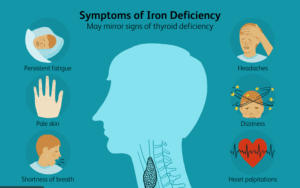
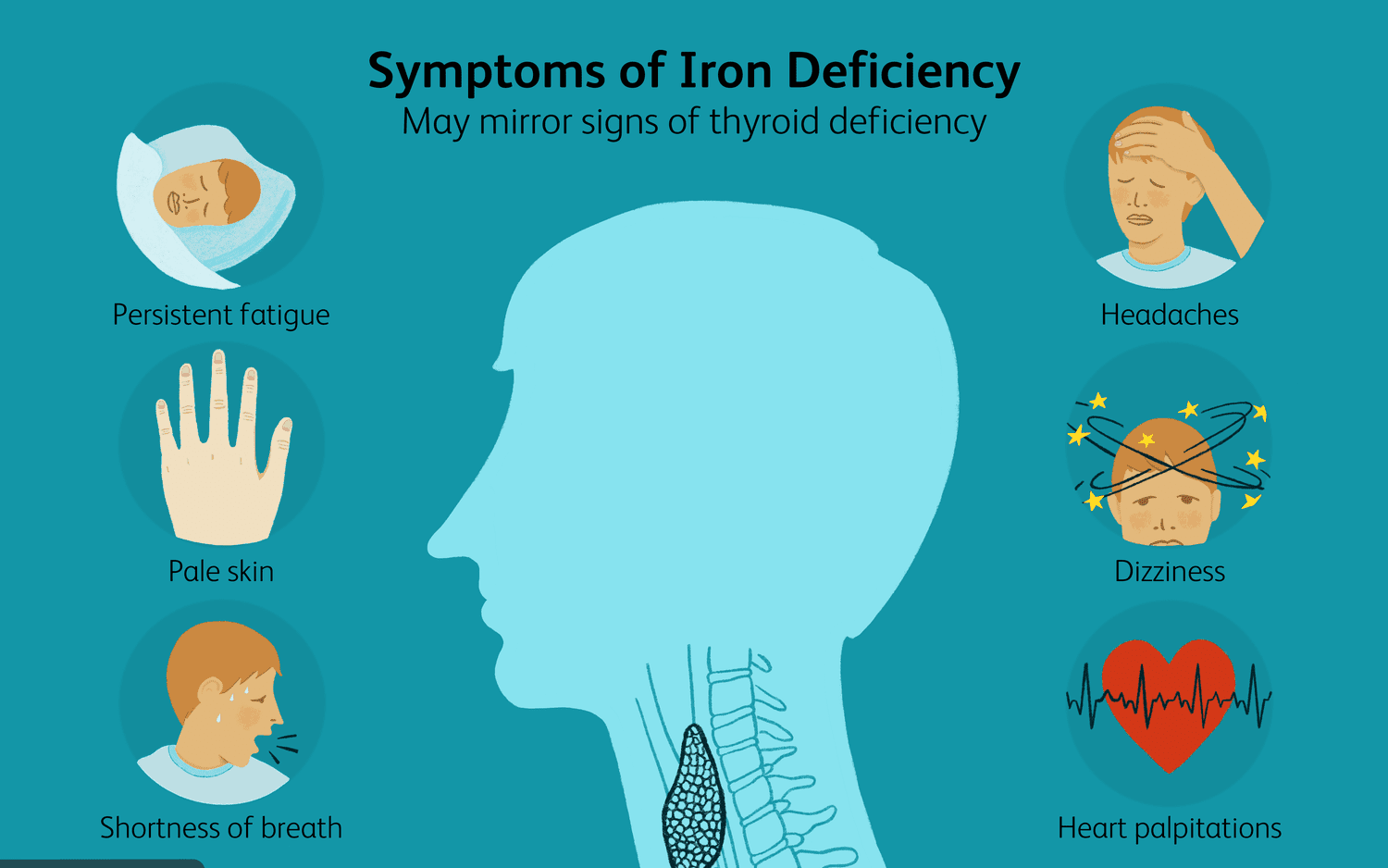
Symptoms of Iron Deficiency Anaemia
- Extreme fatigue
- Shortness of breath
- Dizziness
- Pale skin
- Headaches
- Cold hands and feet
Anaemia is essentially the advanced stage of iron deficiency.
What Causes Iron Deficiency?
Common causes include:
- Heavy menstrual bleeding
- Pregnancy
- Vegetarian or vegan diets
- Gastrointestinal absorption issues
- Frequent blood donation
- High endurance training
- Poor dietary intake
Athletes are also at increased risk due to higher iron turnover.
Can You Be Iron Deficient Without Being Anaemic?
Yes — and this is very common.
Many people have low ferritin but normal haemoglobin.
This is why testing ferritin alone is not enough — and why symptoms shouldn’t be ignored.
Early detection prevents progression.
How Is Iron Deficiency Diagnosed?
A proper iron panel should include:
- Ferritin
- Serum iron
- Transferrin
- Total iron-binding capacity
- Full blood count
At Youth Revisited, the Anaemia Profile is designed to assess these markers together, providing clarity rather than guesswork.
When Should You Test?
Consider testing if you:
- Feel persistently tired
- Experience heavy periods
- Follow a plant-based diet
- Struggle with endurance or recovery
- Have a history of low iron
Even if you are supplementing.
Taking iron without testing can:
- Mask underlying issues
- Lead to incorrect dosing
- Delay proper diagnosis
Should You Take Iron Without Testing?
Iron is not a “harmless” supplement.
Too much iron can cause:
- Digestive discomfort
- Oxidative stress
- Potential long-term complications
Testing first ensures you supplement appropriately.
If You’re Unsure Where to Start
If fatigue is your main concern but you are unsure whether iron is the issue, a broader test such as the NutriCheck Vitality & Vitamins Test may provide additional context.
Explore Vitamin & Nutrition Testing
Frequently Asked Questions
Is iron deficiency the same as anaemia?
No. Iron deficiency refers to low iron stores. Anaemia occurs when low iron reduces haemoglobin levels.
Can iron deficiency cause hair loss?
Yes, low ferritin has been associated with hair thinning.
How long does it take to correct iron deficiency?
Typically 8–12 weeks of monitored supplementation, but levels should be retested.
Can men get iron deficiency?
Yes, although it is more common in women, men can also develop low iron levels.